
Rhinoplasty in Barranquilla
Aesthetic and functional nasal surgery with ultrasonic technique, septorhinoplasty and secondary correction. Natural results that respect each person’s facial harmony. 26 years of clinical practice in Barranquilla and international lecturer in rhinoplasty.

What Is Rhinoplasty?
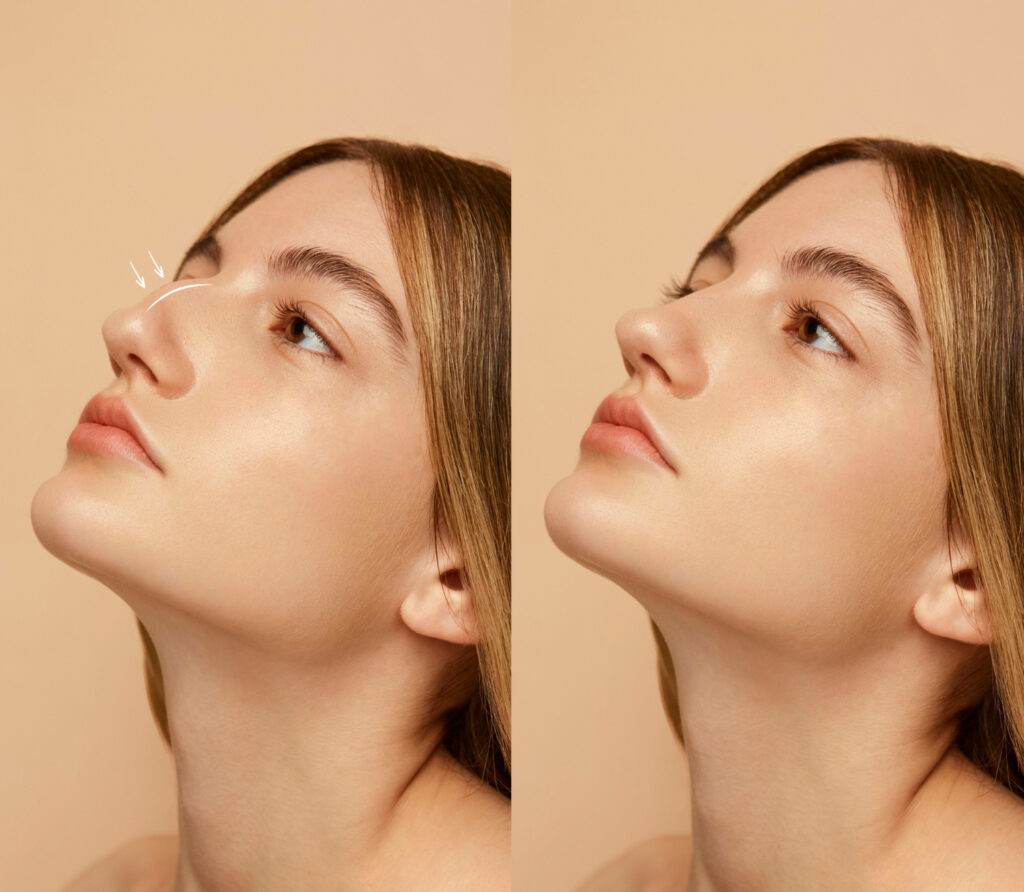
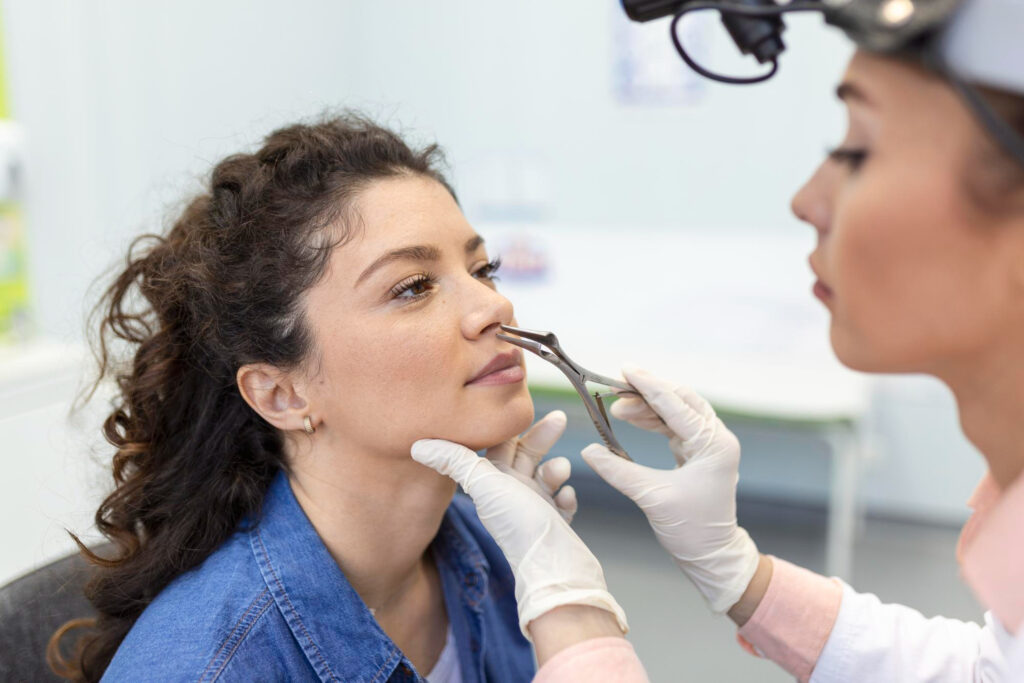
Rhinoplasty is the plastic surgery that changes the shape and, in many cases, the function of the nose. It works on the bone and cartilage structures to correct the dorsum, the tip, the nostrils, the columella and the angle between the nose and the upper lip. It is planned case by case according to the patient’s anatomy and the result being sought.
Who Is a Candidate for Rhinoplasty?
The indication for rhinoplasty is established after a complete clinical consultation. Not every patient who wants to change their nose is a candidate for surgery: the decision depends on anatomy, age, general health and, above all, the patient’s personal goals. Rhinoplasty is a highly personalized surgery and requires realistic expectations.
How do you know if you are a good candidate?
Minimum age with complete facial development
Generally 16 to 18 years old; before that the cartilage and bone keep growing and the result can vary.
Realistic, well-defined goals
The patient understands which changes are possible given their anatomy and which are not.
Non-smoker, or willing to quit tobacco
Smoking affects healing and increases complications.
Good general health
No decompensated cardiovascular disease, clotting disorders or active infections.
Valid reasons that are your own
The decision comes from the patient, not from outside pressure from a partner, family or social circle.
Availability for the recovery period
Enough time to follow the rest period, the check-ups and the specific care instructions.
Who Is a Candidate for Rhinoplasty?
Minimum age with complete facial development
Generally 16 to 18 years old; before that the cartilage and bone keep growing and the result can vary.
Realistic, well-defined goals
The patient understands which changes are possible given their anatomy and which are not.
Non-smoker, or willing to quit tobacco
Smoking affects healing and increases complications.
Good general health
No decompensated cardiovascular disease, clotting disorders or active infections.
Valid reasons that are your own
The decision comes from the patient, not from outside pressure from a partner, family or social circle.
Availability for the recovery period
Enough time to follow the rest period, the check-ups and the specific care instructions.
Types of Rhinoplasty that Dr. Henríquez Performs
Primary Rhinoplasty
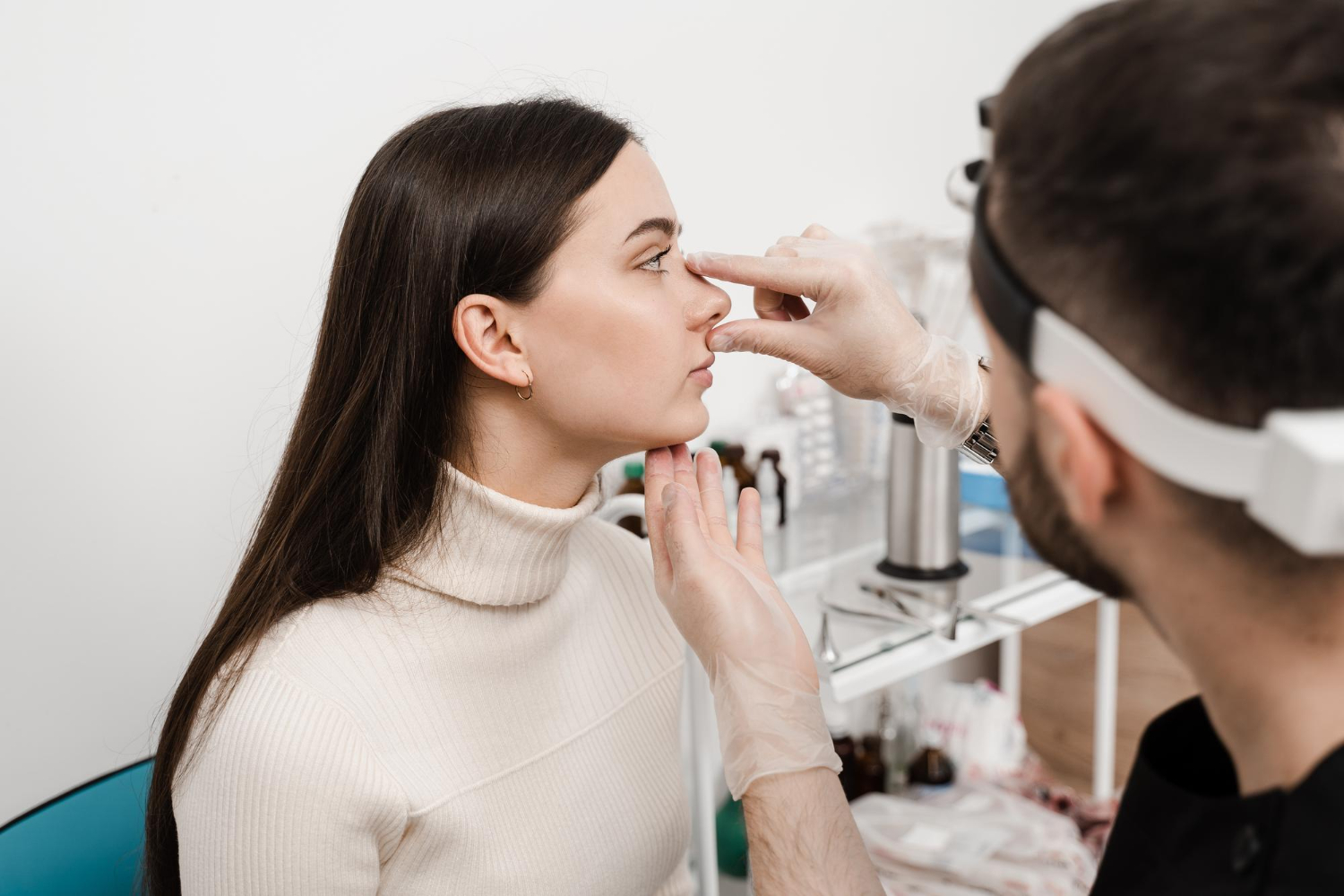
A first nasal surgery to improve the shape and harmony of the nose, reshaping the dorsum, the tip, and other structures. It is performed on tissues with no previous surgery, which allows for more predictable planning and execution.
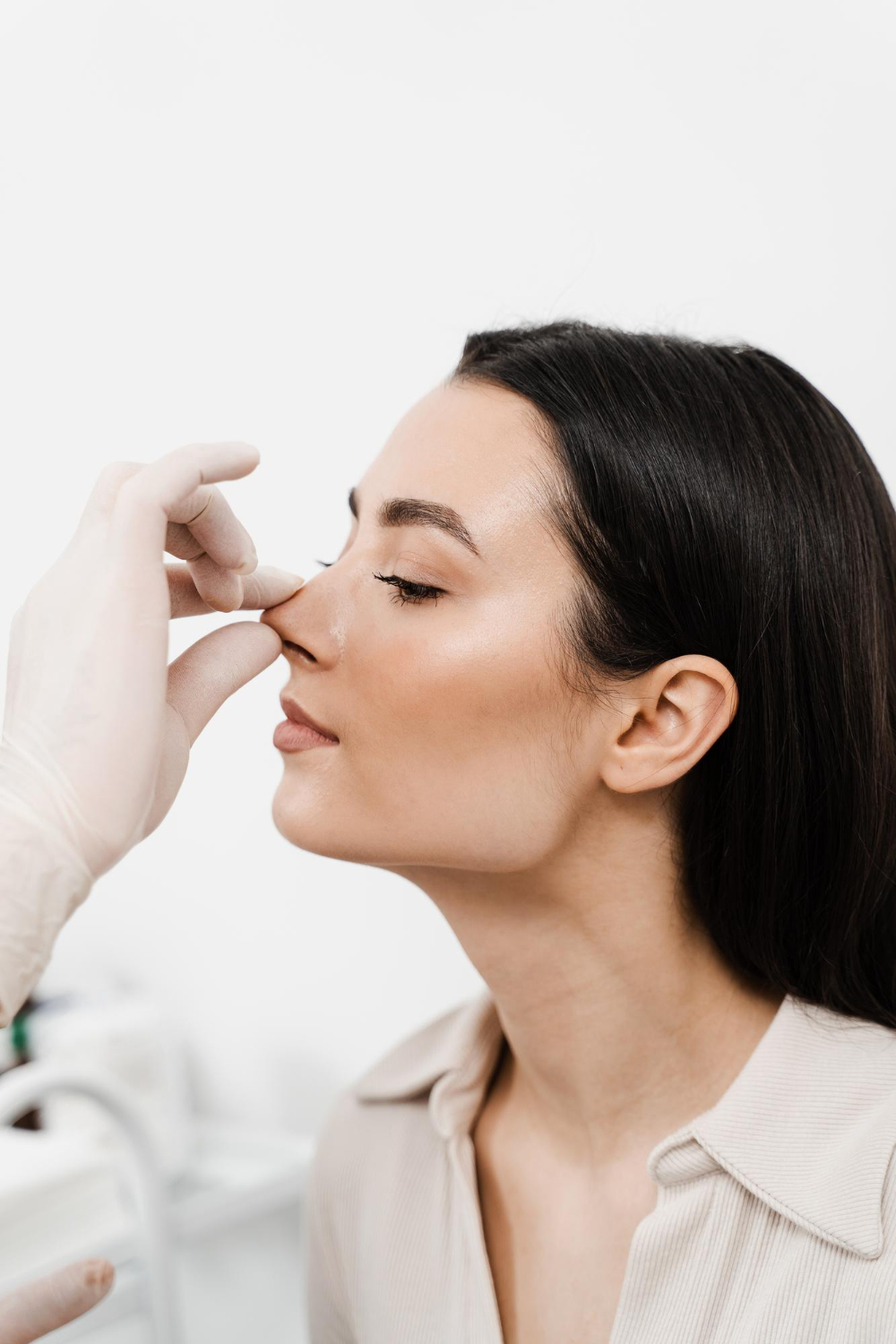
Secondary Rhinoplasty
It corrects unsatisfactory results or complications from a previous rhinoplasty. It is a more complex procedure that may require reconstruction with cartilage grafts.
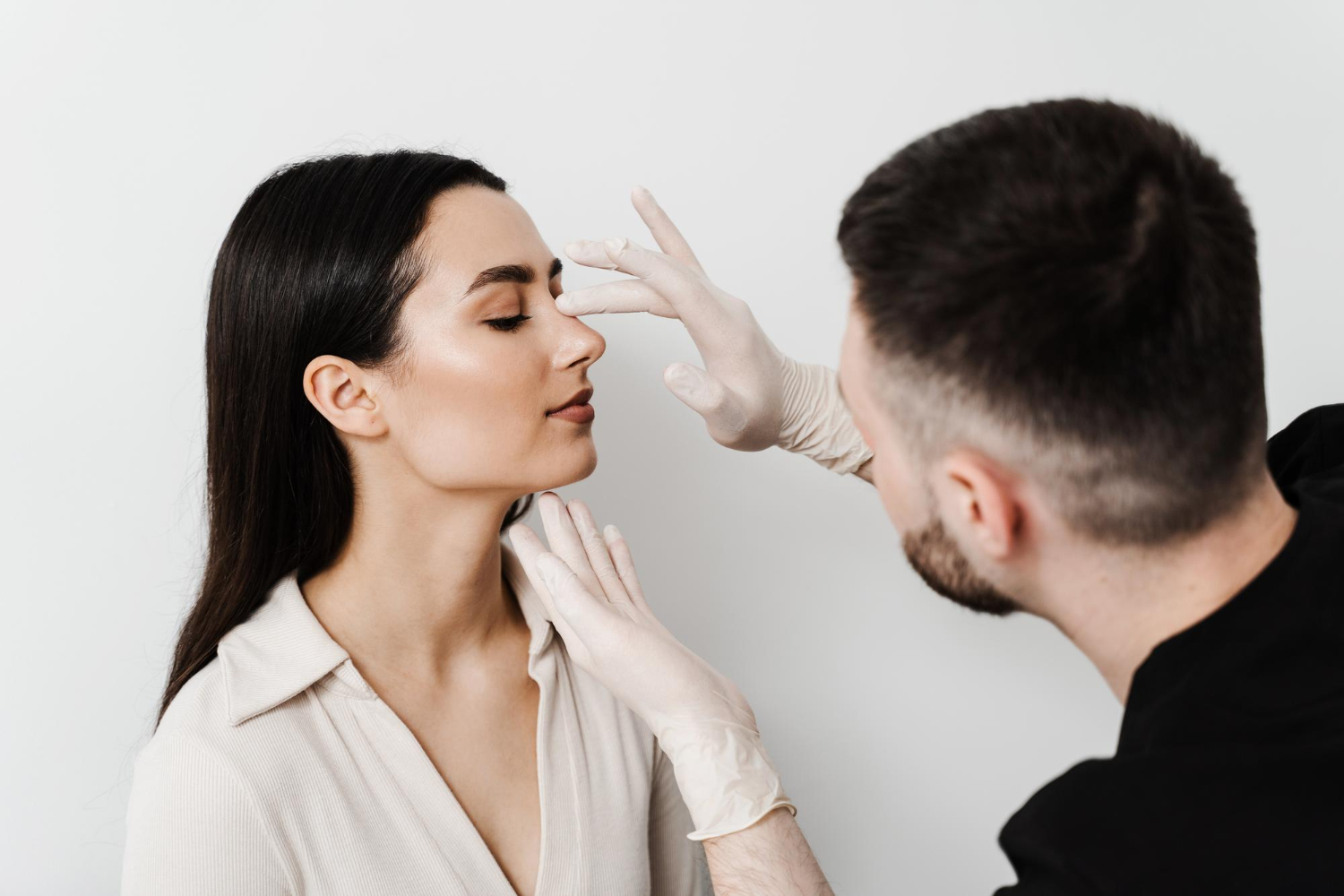
Ultrasonic Rhinoplasty
It uses piezoelectric technology to reshape the nasal bone with maximum precision. It reduces the impact on the soft tissue and allows more controlled bone cuts.
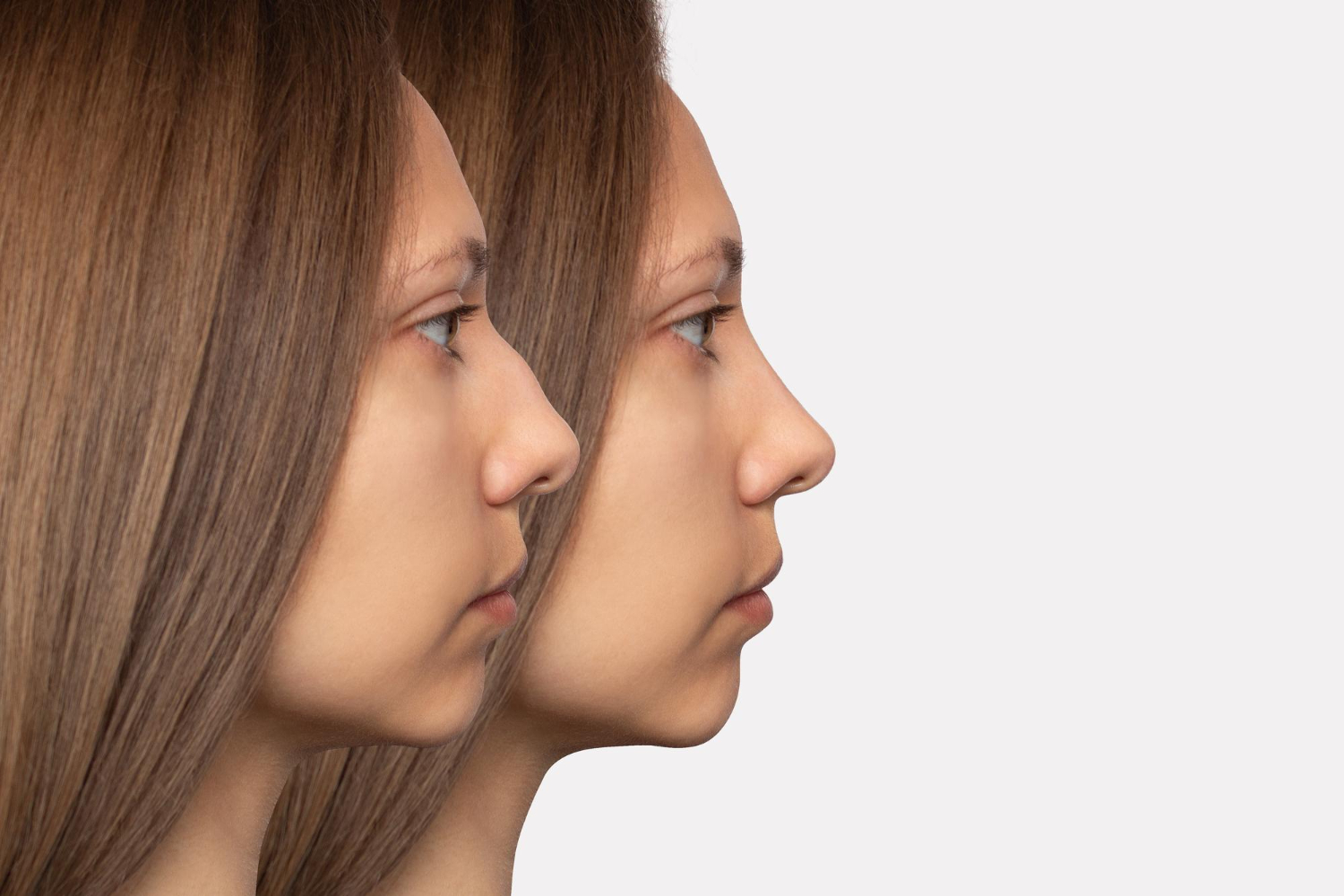
Septorhinoplasty (Cosmetic + Functional)
It combines the aesthetic improvement of the nose with correction of a deviated septum in a single surgery. It improves facial harmony and breathing, using your own cartilage when it is needed to reinforce the structure.
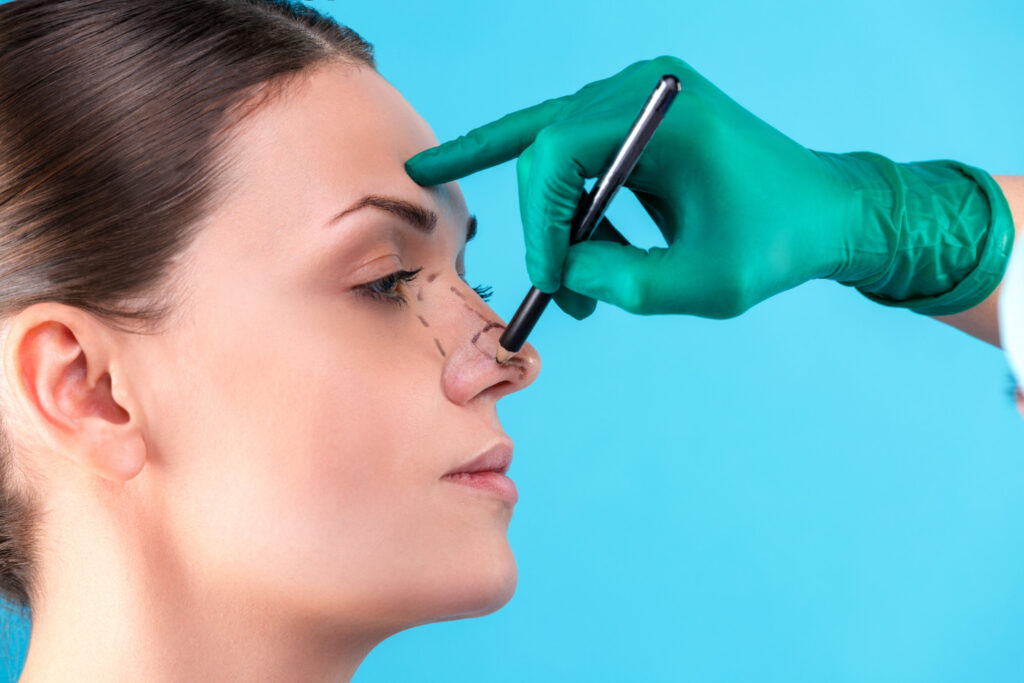
What Specific Aspects a Rhinoplasty Corrects
Every nose has anatomical zones with different characteristics. Rhinoplasty makes it possible to work on each of them individually or in combination, according to the surgical plan. Below are the sub-zones that are treated most often.
Nasal tip
Nasal dorsum
Columella
Nasal deviation
Mestizo nose
Nasal refinement
Patient Process: 4 Stages Specific to Rhinoplasty
Consultation with 3D Simulation
the consultation uses 3D simulation and digital facial mapping to show the patient, visually, which changes are possible. Standardized photography in an in-house studio guarantees controlled conditions for planning.
Pre-Op Evaluation
preoperative safety screening. It includes complete lab work, cardiovascular evaluation and clearance by an internist. Surgery is only performed with all tests within an acceptable clinical range.
Surgery with an Interdisciplinary Medical Team
surgery with a complete interdisciplinary medical team. The patient is accompanied by an anesthesiologist, a surgical technologist and support staff throughout the entire procedure.
Recovery with a Splint and Follow-Up Visits
post-op care centralized in the office. Patients are not referred to third parties. The trusted aesthetician performs the lymphatic drainage and wound care in the same space where the clinical follow-up takes place.
Rhinoplasty Recovery: What to Expect Day by Day
Days 1 to 3 – Peak Swelling and Complete Rest
the nose is completely covered with a splint. It is the most uncomfortable phase but the most predictable one. Rest at home with the head elevated
Days 4 to 7 – Splint Removal and Visible Improvement
splint removal, first office follow-up, post-op photography. Bruising resolving. Swelling still marked but clearly less than in the first phase.
Weeks 2 to 4 – Gradual Return to Activity
progressive return. Office work allowed. Exercise still restricted. Strict sun protection mandatory.
Months 1 to 6 (Stabilization)
progressive stabilization. The nasal tip is the last area to lose its swelling. Return to exercise is staged according to medical instructions.
Post-Op Care Specific to Rhinoplasty
Postoperative care has a direct influence on the final result. Following the specific instructions reduces swelling, improves healing and prevents complications. The following recommendations are standard after a rhinoplasty and are given to the patient in writing at surgical discharge.
Real Results
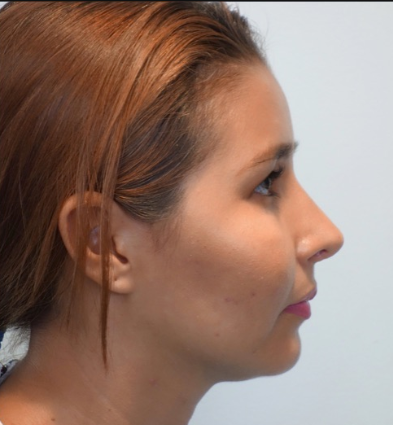
Rhinoplasty Gallery: Before and After Cases
The gallery shows representative results of the different technical variants: primary rhinoplasty, secondary rhinoplasty, ultrasonic rhinoplasty, septorhinoplasty, mixed-heritage noses and male rhinoplasty. Each case is individual and results cannot be extrapolated linearly from one patient to another.
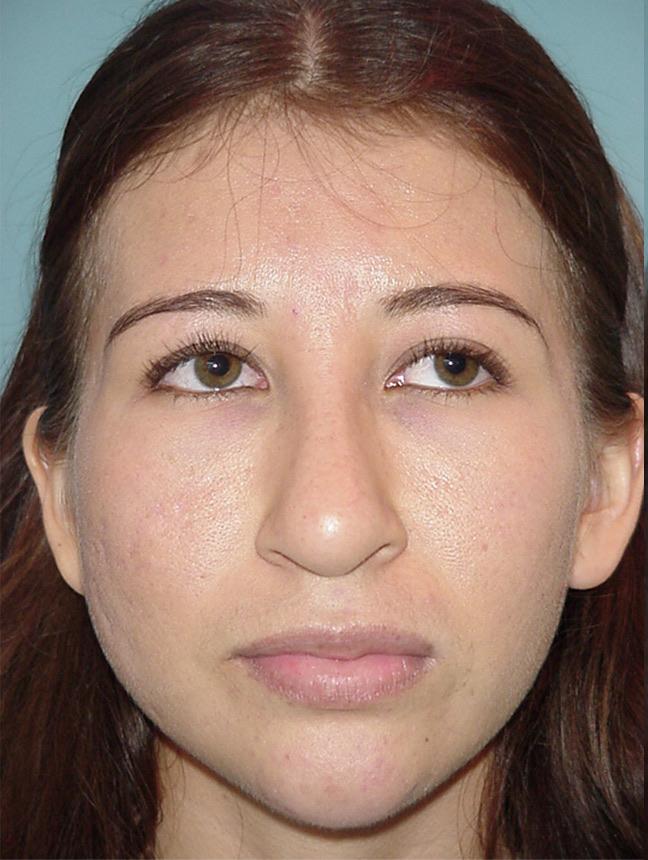 RINOPLASTIA – ANTES
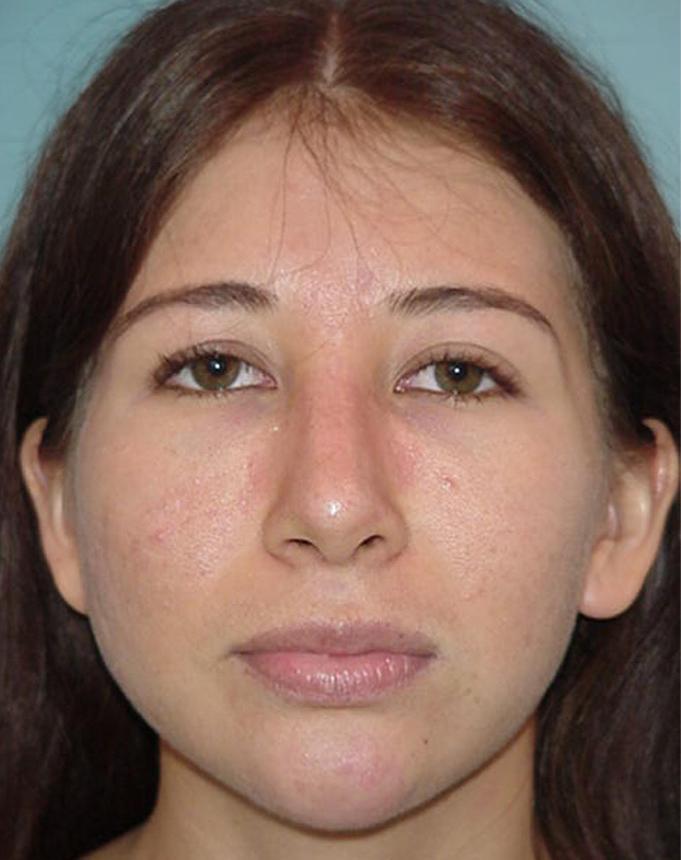 RINOPLASTIA – DESPUES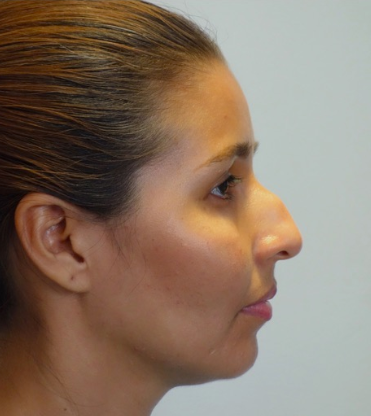
Natural Results as a Priority
The goal is a harmonious, natural nose that improves the face without looking operated on.
Technical Limitations Based on Anatomy
Each patient’s skin, cartilage and bone determine how far the change can go and whether grafts are needed.
Differences by Skin Type
Thick skin takes longer to deswell and defines the tip less; thin skin shows the changes sooner, and also small irregularities.
Stable Result at 6-12 Months
The final result is assessed between 6 and 12 months (up to 18 months in thick skin), which is why touch-ups are not considered before a year has passed.
Frequently Asked Questions about Rhinoplasty
Book your Rhinoplasty Consultation with Dr. Boris Henríquez in Barranquilla
The initial consultation is the first step in assessing the indication for rhinoplasty and the technical variant appropriate for your case. It lasts approximately 45 to 60 minutes and includes a clinical examination, standardized photography in our own studio and, depending on the case, a digital simulation of the result.
At the end you receive an individualized surgical plan and a detailed written quote. Appointments are booked via WhatsApp or through the contact form.

